
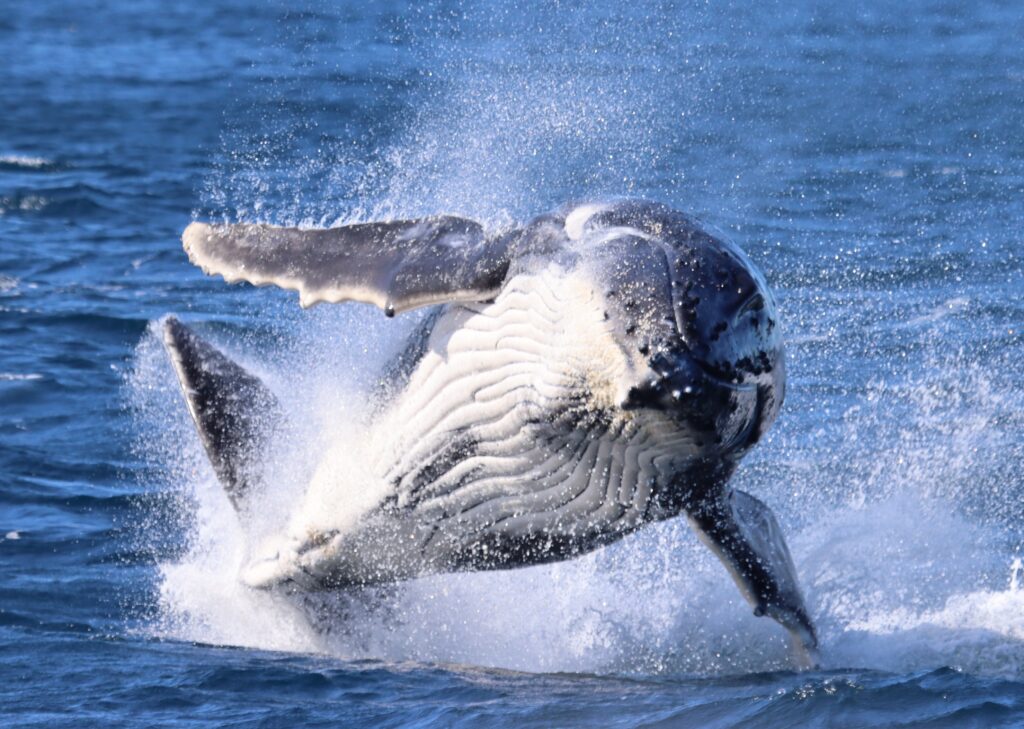
Every winter, the waters off New South Wales transform into one of the greatest wildlife highways on Earth. For guests joining Terrigal Ocean Tours, 2026 is shaping up to be another spectacular year—both for whale sightings and cutting-edge research that’s helping us understand these giants of the sea like never before.
How Many Whales Will We See ?
The short answer: a lot. The east coast humpback whale population has made one of the most remarkable recoveries in conservation history. From near extinction in the 1960s, numbers have rebounded to around 40,000–50,000 whales in recent years.
Each year, tens of thousands of humpback whales migrate past NSW between May and November, travelling from Antarctic feeding grounds to the warm breeding waters of Queensland.
Closer to home, it’s estimated that around 45,000 whales pass the NSW coastline annually, with thousands visible from the Central Coast alone.
For 2026, researchers expect numbers to remain at or near peak population levels, meaning more frequent sightings, more surface activity, and a higher chance of unforgettable close encounters.
The “Humpback Highway” – Nature’s Greatest Migration
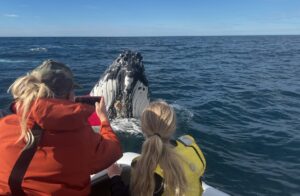
Humpback whales follow a well-defined route along Australia’s east coast—often called the Humpback Highway.
• Northbound migration (May–August): Whales travel steadily north to breed
• Southbound migration (September–November): Mothers and calves return, often lingering closer to shore
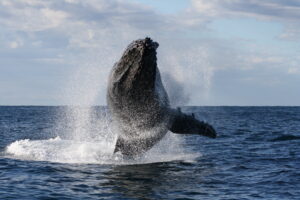
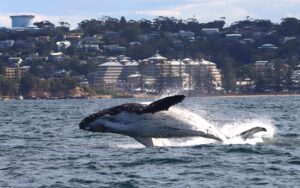
This return journey is often the most magical for whale watchers. Calves are learning to swim, breach, and play—creating the dramatic displays that make Terrigal one of NSW’s top whale-watching destinations.
New Research in 2026: Listening to Whales Beneath the Surface
While spotting whales at the surface is thrilling, some of the most exciting discoveries are happening underwater.
Marine researchers—including experts like Dr Olaf Mencke—are increasingly using hydrophone monitoring to study whale behaviour.
These underwater microphones capture:
- Complex humpback whale songs
- Communication between mothers and calves
- Migration timing and movement patterns
- The impact of noise pollution on whale behaviour
Hydrophones allow scientists to track whales even when they’re not visible, giving a fuller picture of how they travel, socialise, and navigate the coastline.
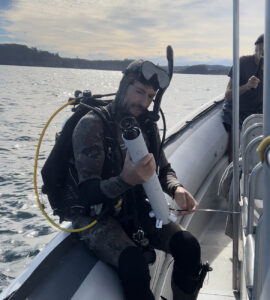
Our local dive club, Terrigal Underwater Group is assisting with the deployment and maintenance of Dr Olaf Mencke’s hydrophones in the Terrigal area.
This research is helping improve conservation strategies and ensures that whale-watching practices—like those used by Terrigal Ocean Tours—remain safe and sustainable.
Whale Species You Might See on the Central Coast
While humpbacks are the stars of the show, NSW waters are home to a surprisingly diverse range of whales and dolphins.
Common Sightings
- Humpback whales – the main attraction, known for breaching and tail slaps
- Dolphins – Common Dolphins and Bottlenose Dolphins often ride the bow waves of boats year-round
Occasional Visitors
- Minke whales
- Brydes Whales
- Pilot whales
- False killer whales
Rare visitors
- Orcas (killer whales)
- Blue whales
- Sperm whales (usually further offshore)
Every trip is different—which is part of the magic.
Best Camera Gear for Whale Watching
Capturing whales in the wild is unforgettable—but challenging. You’re dealing with movement, distance, glare, and unpredictable action. Here’s what works best:
1. Camera Body
• Fast autofocus is essential (mirrorless or DSLR)
• Look for high burst shooting (10+ fps)
2. Lenses
• 70–200mm: Great for close encounters
• 100–400mm or 150–600mm: Ideal for distant breaches
Zoom flexibility is key—you never know how close whales will come.
3. Settings Tips
• Shutter speed: 1/1000 or faster (to freeze breaches)
• Continuous autofocus (AI Servo / AF-C)
• Burst mode for action sequences
4. Extras
• Polarising filter (cuts glare on water)
• Lens hood (reduces flare)
• Dry bag or weather protection
And one tip that matters most: sometimes the best moment is the one you don’t photograph.
________________________________________
Why 2026 Is a Special Year to Get Out on the Water
With whale populations at historic highs and new research revealing more about their lives than ever before, there’s never been a better time to experience the migration.
From the thunder of a breach to the quiet moment a calf surfaces beside its mother, whale watching is more than a tour—it’s a connection to one of the ocean’s greatest stories.
At Terrigal Ocean Tours, every trip is a front-row seat to that story.
Where to Stay at Terrigal
If you are going to stay a night or two we recommend the Crowne Plaza This is the iconic Terrigal stay—right opposite the beach. Expect ocean-view rooms, a pool, restaurants, and easy walking distance to everything, including our boats. It’s the most full-service, resort-style option in town and ideal if you want a classic holiday feel

 English